Girl with Books: A Practical Guide to Using This Redwork Embroidery Design
When selecting digital assets for machine embroidery, the intersection of aesthetic appeal and technical practicality is where most successful projects begin. The Girl with Books design represents a specific niche within this landscape: it is a redwork-style pattern that balances nostalgic charm with modern versatility. For crafters, educators, and home decor enthusiasts, understanding the nuances of this design can significantly impact the quality of the final product. Unlike complex, multi-layered satin stitch designs that require high-tension stabilization and expensive thread palettes, this piece relies on simplicity. It is primarily composed of single-color running stitches, making it an accessible option for both novice embroiderers and seasoned professionals looking for efficient production times.
The core appeal of Girl with Books lies in its adaptability. While it is marketed heavily toward school-related projects and children’s apparel, its clean lines allow it to transcend age groups when applied to home decor items such as tote bags, pillowcases, or framed textile art. However, choosing this design requires an understanding of how redwork differs from other embroidery styles and what specific machine capabilities are needed to execute it flawlessly.
Understanding the Redwork Aesthetic and Technical Requirements
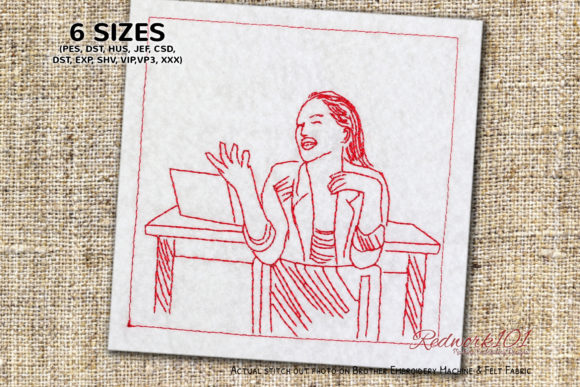
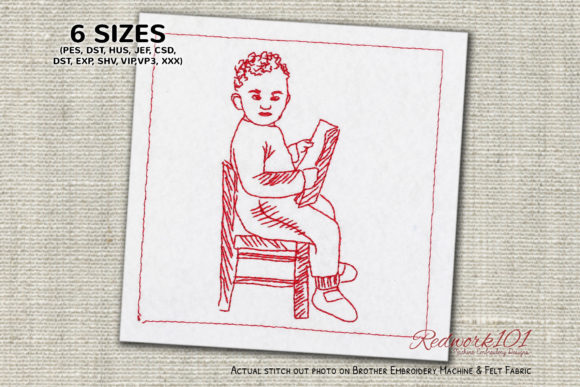
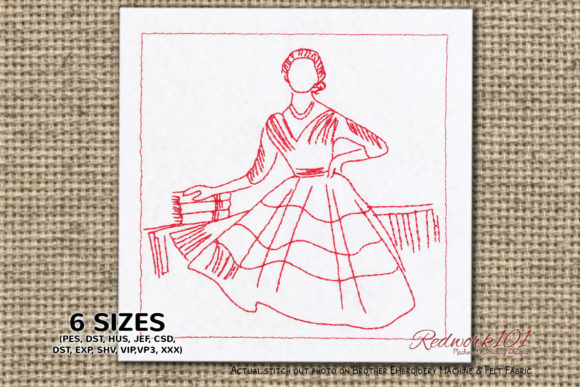
Redwork is a traditional embroidery style characterized by simple outlines stitched in a single color, historically red, hence the name. The Girl with Books pattern adheres to this tradition but updates it for contemporary machine embroidery. The design features a silhouette of a girl holding books, rendered in clean, continuous lines. This approach offers several distinct advantages over filled or satin-stitch alternatives.
First, the stitch count is significantly lower. This means less wear on your needle and bobbin, faster completion times, and reduced risk of fabric puckering. Second, because there are no dense fill areas, the design works well on a wider variety of fabrics, including lighter cottons and linens that might distort under heavier stitching. For those evaluating whether this style fits their current project pipeline, consider the end use. If you are producing items for a school fundraiser or creating personalized gifts for students, the speed and reliability of redwork are unmatched.
It is important to note that while the design is simple, precision is key. Redwork exposes every imperfection in tension and hooping because there is no dense stitching to hide minor misalignments. Therefore, users must ensure their machine is properly calibrated. The design comes in multiple file formats, ensuring compatibility with most major embroidery machines, but the user must still select the correct format for their specific hardware to avoid digitizing errors during import.
The Optional Box Stitch: To Include or Omit?
One of the most notable features of this specific design file is the inclusion of an optional outer box, executed in a Box Stitch. This element introduces a layer of customization that many standard designs lack. The documentation for Girl with Books clarifies that the color of this outer box is often different from the main design in preview images, but it is not integral to the character itself. This presents a decision point for the embroiderer.
If you choose to include the box, it frames the subject matter, giving it a more finished, badge-like appearance. This can be particularly effective for patches or standalone decorative elements on backpacks. However, if your goal is a seamless integration into a larger pattern or a more subtle look on a garment, skipping the box is a viable and often preferred option. Most modern embroidery machines allow users to skip color stops easily. By simply advancing past the color channel assigned to the box, you can eliminate it without altering the rest of the design. This flexibility allows the same digital file to serve two different aesthetic purposes, increasing its value per purchase.
From a practical standpoint, omitting the box also reduces thread changes and total run time. For batch production, such as creating dozens of bookbags for a classroom, these small efficiencies add up. Conversely, for a one-off home decor piece like a framed sampler, the added structure of the box might provide the visual weight needed to balance the composition.
Comparing Use Cases: Education vs. Home Decor
Evaluating the suitability of Girl with Books requires looking at the context in which it will be used. The design is frequently categorized under school-related projects, and for good reason. The imagery directly correlates with literacy and education, making it an ideal choice for teacher appreciation gifts, library promotions, or back-to-school apparel. In these scenarios, durability and washability are paramount. Since redwork uses fewer stitches, it tends to hold up well over repeated washing cycles, provided the correct stabilizer is used.
However, limiting this design to educational contexts overlooks its potential in home decor. When scaled appropriately and stitched in neutral or earth-toned threads rather than traditional red, the silhouette takes on a more sophisticated, minimalist vibe. It can be incorporated into quilting blocks, used as a motif on kitchen towels, or embroidered onto canvas totes for library visits. The key difference here is thread selection and fabric choice. For school projects, bright, primary colors on durable cotton blends are standard. For home decor, linen, muslin, or even denim paired with variegated or muted threads can transform the same digital file into a rustic or modern chic element.
Readers should consider the scale of the design relative to the item. On a child’s shirt, the standard size may be perfect. On a large throw pillow, you may need to enlarge the design significantly. Because redwork consists of single lines, enlarging it too much can result in gaps that look unintentional rather than stylistic. It is advisable to test stitch at various sizes to determine the optimal balance between visibility and line integrity.
Evaluation of File Formats and Machine Compatibility
A critical factor in choosing any digital embroidery design is compatibility. The Girl with Books package includes multiple file formats, which is a significant advantage. Different embroidery machine brands utilize proprietary file types (such as .PES for Brother, .JEF for Janome, or .DST for industrial machines). Having access to a broad range of formats ensures that the design retains its intended stitch path and density regardless of the hardware used.
When comparing this offering to free or lower-quality designs found online, the provision of multiple formats often indicates professional digitizing. Poorly converted files can lead to thread breaks, excessive trimming, or distorted shapes. Users who have experienced frustration with incompatible files will appreciate the plug-and-play nature of this package. It removes the technical barrier of file conversion, allowing the creator to focus on the artistic aspects of the project.
Nevertheless, users should always perform a test stitch on a scrap piece of the same fabric they intend to use for the final project. Even with perfect file compatibility, variables such as thread type, needle size, and stabilizer choice can affect the outcome. This step is non-negotiable for achieving professional results, especially with open designs like redwork where tension issues are more visible.
Making the Right Choice for Your Project
Deciding whether Girl with Books is the right asset for your needs depends on your specific goals. If you are looking for a quick, reliable, and charming design that requires minimal thread inventory and machine time, this pattern is an excellent candidate. It is particularly well-suited for those who value efficiency without sacrificing aesthetic appeal. The optional box feature adds a layer of versatility that allows for creative experimentation without needing additional files.
However, if your project demands high-impact visual texture, 3D effects, or complex shading, a satin stitch or fill-heavy design might be more appropriate. Redwork is inherently flat and graphic. It excels in clarity and simplicity but does not offer the depth of more complex digitizing styles. Additionally, if you are working with very stretchy or unstable fabrics without experience in stabilization, the open nature of redwork may require extra care to prevent distortion.
In summary, Girl with Books stands out as a versatile, user-friendly option for a wide range of applications. Its strength lies in its simplicity and adaptability. By understanding the technical requirements of redwork and leveraging the optional features provided, embroiderers can maximize the utility of this design. Whether used for a heartfelt school gift or a stylish home accent, it offers a balanced blend of tradition and modern convenience, making it a worthwhile addition to any digital embroidery library.